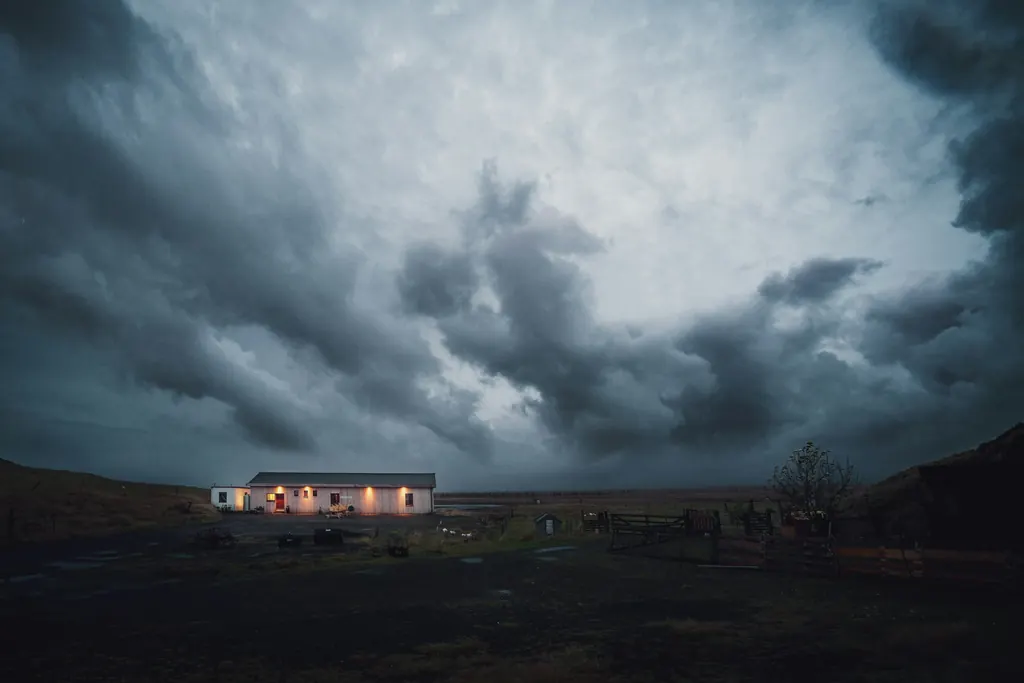
After the storm.
What to do, in order, when weather has been through and you’re worried about the roof. Plain steps — safety first, then a record, then repairs.
General information, not legal or insurance advice. Your policy and your insurer’s instructions come first. Ironbark documents damage; it doesn’t decide or promise claim outcomes.
Safety first
Do not climb onto a roof after a storm. Wet surfaces, loose shingles and hidden damage cause falls.
- Stay clear of downed or sagging power lines and anything touching them. Report them to your utility.
- If a ceiling is sagging or bulging with water, keep people and pets out from under it.
- If water is near outlets, fixtures or the panel, keep away and call a licensed electrician or the utility.
- Smell gas? Leave the house and call the gas company from outside.
Photograph everything
Photos taken before any cleanup are the best record you’ll have. Your phone’s date stamp helps.
- Wide shots of each side of the house from the yard or street.
- Close-ups of shingles or panels on the ground, dented gutters, damaged vents and siding.
- Inside: ceiling and wall stains, drips, wet insulation in the attic if you can see it safely from the hatch.
- Fallen limbs and where they landed.
Temporary protection
The goal is to stop more water getting in until a proper repair can be made.
- Inside: buckets, towels, plastic sheeting; move furniture, electronics and papers.
- Outside: a tarp should be installed by someone with the right equipment, once it’s safe.
- Keep every receipt for temporary repairs and supplies — many policies ask for them.
- Don’t sign up for permanent repairs on the spot. Get an inspection and talk to your insurer first.
Call your insurer
- Have your policy number ready, and write down the claim number you’re given.
- Ask what they need from you: photos, estimates, receipts, and by when.
- Ask whether your policy has a separate named-storm, hurricane or wind/hail deductible.
- Note the adjuster’s name and appointment time. You can ask your roofer to be there.
What our inspection report includes
A free inspection ends with a written report you keep and can share with anyone, including your insurer.
- Dated photosLabeled by roof plane and direction
- MeasurementsRoof area, pitch, and the size of damaged areas
- Damage vs. wearStorm damage noted separately from normal aging
- MaterialsWhat’s on the roof now, and whether it’s still made
- Interior + atticStains, daylight, wet decking where visible
- RecommendationRepair or replace, and why — with a written estimate
We describe what we see. Your insurer decides what your policy covers.